Humanity in the Loop

A Vantage IO podcast

The conversations, on the record.

Each episode starts with the same question. Whose life gets better, and what stays human?

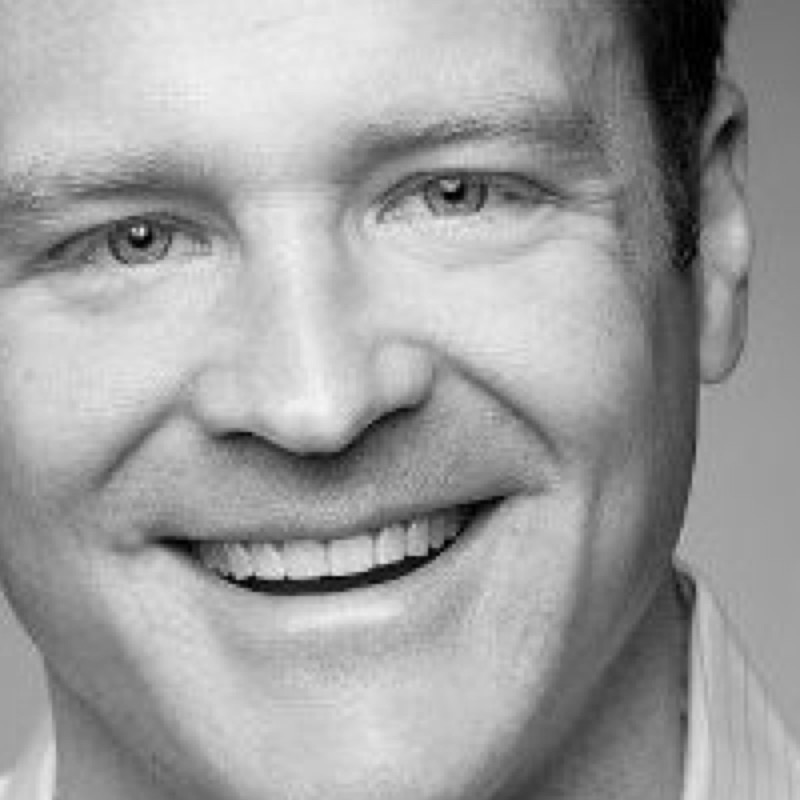
Michael Ash, Senior Clinical Advisor in Functional Medicine and Personalised Health Systems, guest on Humanity in the Loop episode 005

Humanity in the Loop · 005

AI in Functional Medicine: How Clinical Decision Support Gives Doctors Their Time Back | Michael Ash

Michael Ash
Senior Clinical Advisor in Functional Medicine & Personalised Health Systems
Coming soon
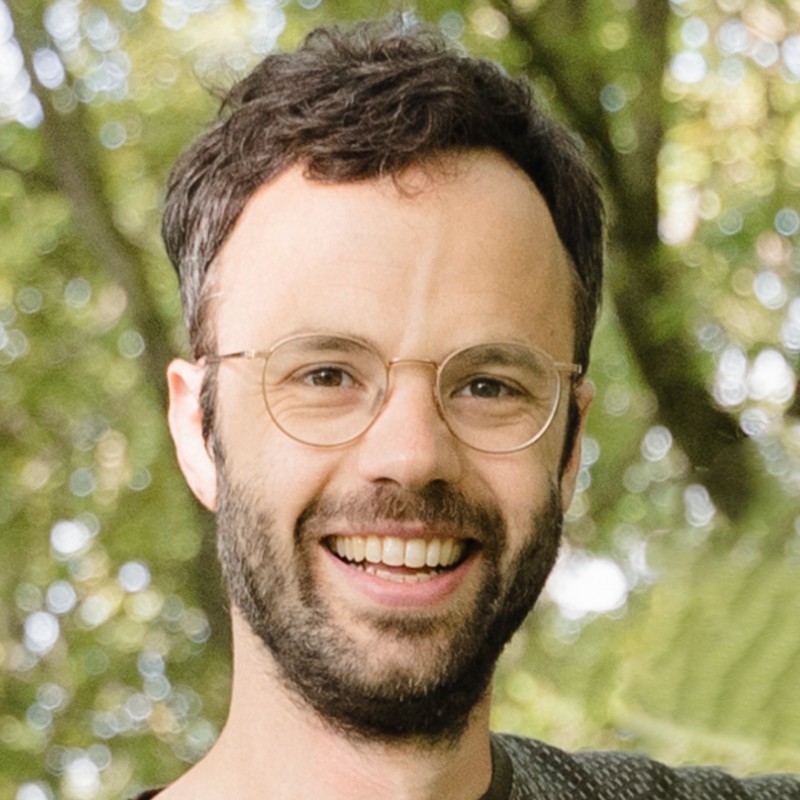
Thomas Duindam, CTO and co-founder of TribusMed, guest on Humanity in the Loop episode 004

Humanity in the Loop · 004

How to Build Clinical Software Doctors Actually Use | AI, UX & the Last Mile of Care

Thomas Duindam
CTO & Co-Founder · TribusMed
Sep 2026
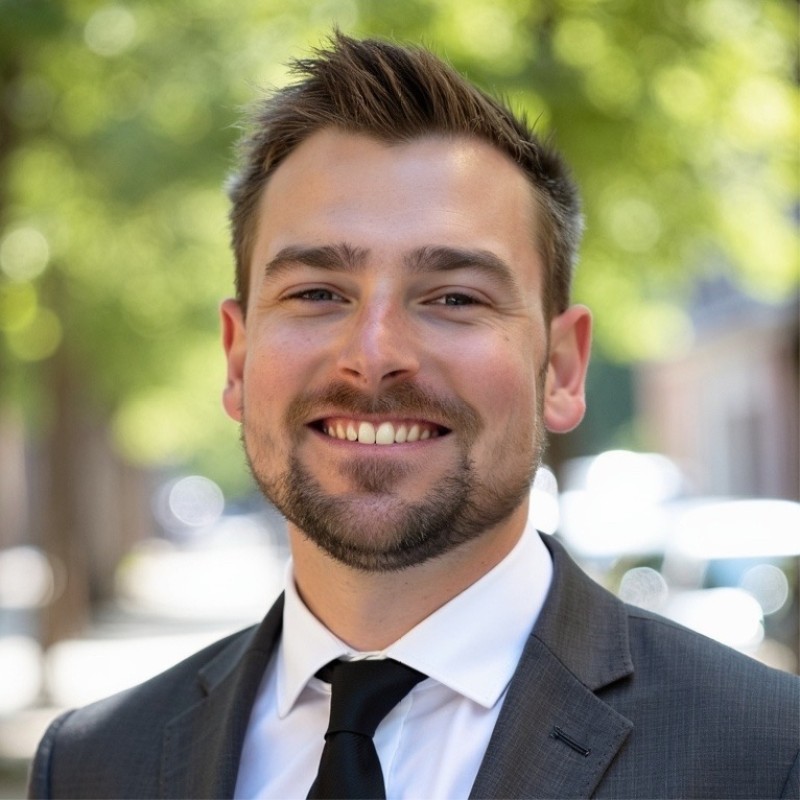
Joshua Webber of CRLN Learn, guest on Humanity in the Loop episode 003

Humanity in the Loop · 003

Can AI Compress Drug Development to 5 Months? | What Clinical Research Must Keep Human

Joshua Webber
CRLN Learn
Sep 2026
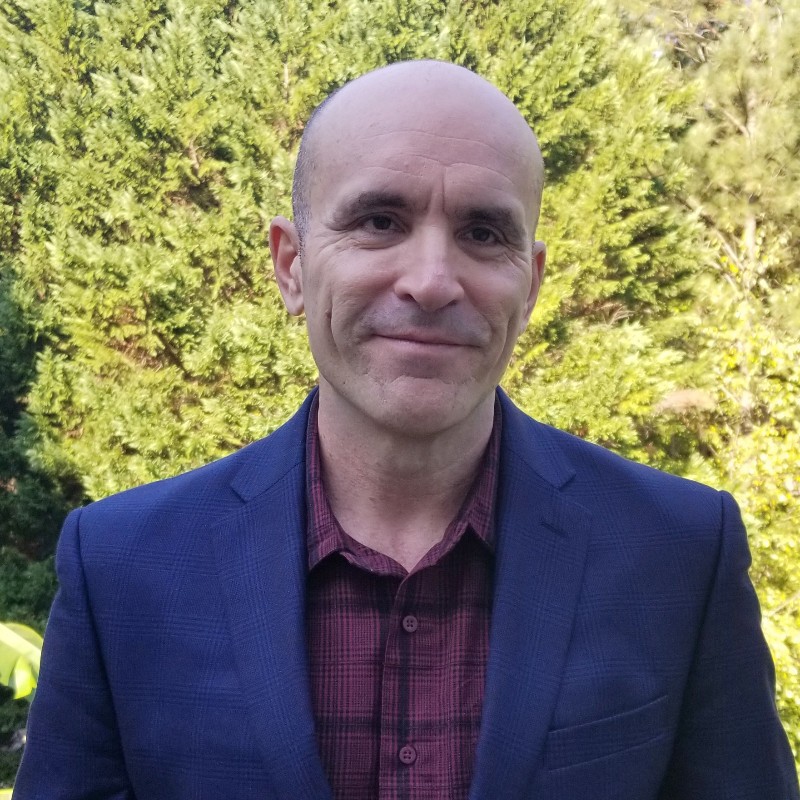
Michael Blaivas, MD, physician and clinical AI innovator, guest on Humanity in the Loop episode 002

Humanity in the Loop · 002

How to Build Clinical AI That Actually Works | “I’m Training AI to Replace Me”

Michael Blaivas, MD
CMO · ThinkSono
Sep 2026

Humanity in the Loop · 004

How to Build Clinical Software Doctors Actually Use | AI, UX & the Last Mile of Care

Thomas Duindam
CTO & Co-Founder · TribusMed
Sep 2026

Medical technology keeps getting more powerful.

CT scans contain enormous amounts of information. AI can analyze images, generate measurements, screen abnormalities, and increasingly automate work that once required highly specialized expertise.

But Thomas Duindam argues that the hardest problem isn’t generating more information.

It’s knowing what to leave out.

Thomas is the CTO and co-founder of TribusMed, where he builds medical imaging software used in planning complex cardiovascular procedures. His background spans biomedical imaging, software engineering, 3D visualization, and, unusually, nearly two decades developing a video game with friends.

That combination led us into a fascinating conversation about what healthcare software gets wrong.

We talk about:

  • Why a physician might use your software for only 30 minutes a day, and why that changes everything about product design
  • How medical imaging creates massive information overload
  • Why clinicians shouldn’t have to understand the complexity underneath the software
  • What medical software can learn from video game UX
  • How AI-assisted development is commoditizing the act of writing software
  • Why domain knowledge and deciding what to build are becoming more valuable than the code itself
  • Where AI should automate clinical work and where humans still need control
  • Why the final mile between medical information and the patient should remain human

One of the biggest ideas from the conversation is that AI’s job may not be to make more decisions.

It may be to absorb enormous amounts of complexity so the human has a smaller, clearer decision to make.

That distinction matters.

Because regardless of how sophisticated the technology becomes, someone still has to look at the patient, understand what the information means, take responsibility for the recommendation, and explain it to another human being.

That’s the last mile of care.

And Thomas believes we shouldn’t automate it away.

Humanity in the Loop is a series of conversations with the founders, clinicians, engineers, and operators using AI and technology to make people’s lives better, while figuring out what should stay human.

Hosted by Sam Morhaim.

Humanity in the Loop · 003

Can AI Compress Drug Development to 5 Months? | What Clinical Research Must Keep Human

Joshua Webber
CRLN Learn
Sep 2026

Clinical research is full of barriers: education is expensive, tools are fragmented, entry into the field can be difficult, and drug development still takes far too long.

In this episode of Humanity in the Loop, Sam Morhaim talks with Joshua Webber about expanding access to clinical research education, using technology to give learners around the world verifiable skills, and applying AI to the parts of research that benefit from speed and automation.

They explore how AI can support critical-thinking practice, improve administrative and electronic data-capture workflows, and potentially compress parts of the drug-development process dramatically. But the conversation also comes back to the same question at the center of the show: what should technology take over, and what should remain human?

For Joshua, the opportunity is not to remove people from clinical research. It is to remove barriers, reduce repetitive work, and make expertise more accessible while protecting the empathy and human judgment that matter most when real patients are involved.

The result is a conversation about access, education, AI, research operations, personalized medicine, and what a faster clinical-research ecosystem could look like if technology serves the people inside it.

Humanity in the Loop · 002

How to Build Clinical AI That Actually Works | “I’m Training AI to Replace Me”

Michael Blaivas, MD
CMO · ThinkSono
Sep 2026

What does it actually take to build clinical AI that works outside the demo?

In this episode of Humanity in the Loop, Sam Morhaim sits down with Dr. Michael Blaivas, a physician, clinical AI innovator, and medical technology leader with more than 25 years of experience across emergency medicine, point-of-care ultrasound, AI, medical devices, and clinical innovation.

Michael describes the irony of helping train AI to perform work that once required years of expert clinical experience. From there, the conversation gets into the harder questions: what should never be automated, where accountability sits when AI makes or guides a clinical decision, why so many strong healthcare AI products die between prototype and patient care, and what founders often misunderstand about how medicine actually works in the real world.

They also discuss FDA clearance, real-world validation, clinical workflows, the tension between speed and regulation, access to care, medical liability, and how AI could make expert-level capabilities available in places that could never access them before.

The central question: as AI becomes more capable, how do we use that capability to improve care without taking the humanity out of medicine?