
Engineering-led
AI & Technology Transformation for Healthcare.
Healthcare organizations hire us to engineer the AI, systems, and workflows behind operational transformation, from AI assistants and agentic workflows to RAG, integrations, governance, and custom software.
Thirty minutes, free. No pitch.
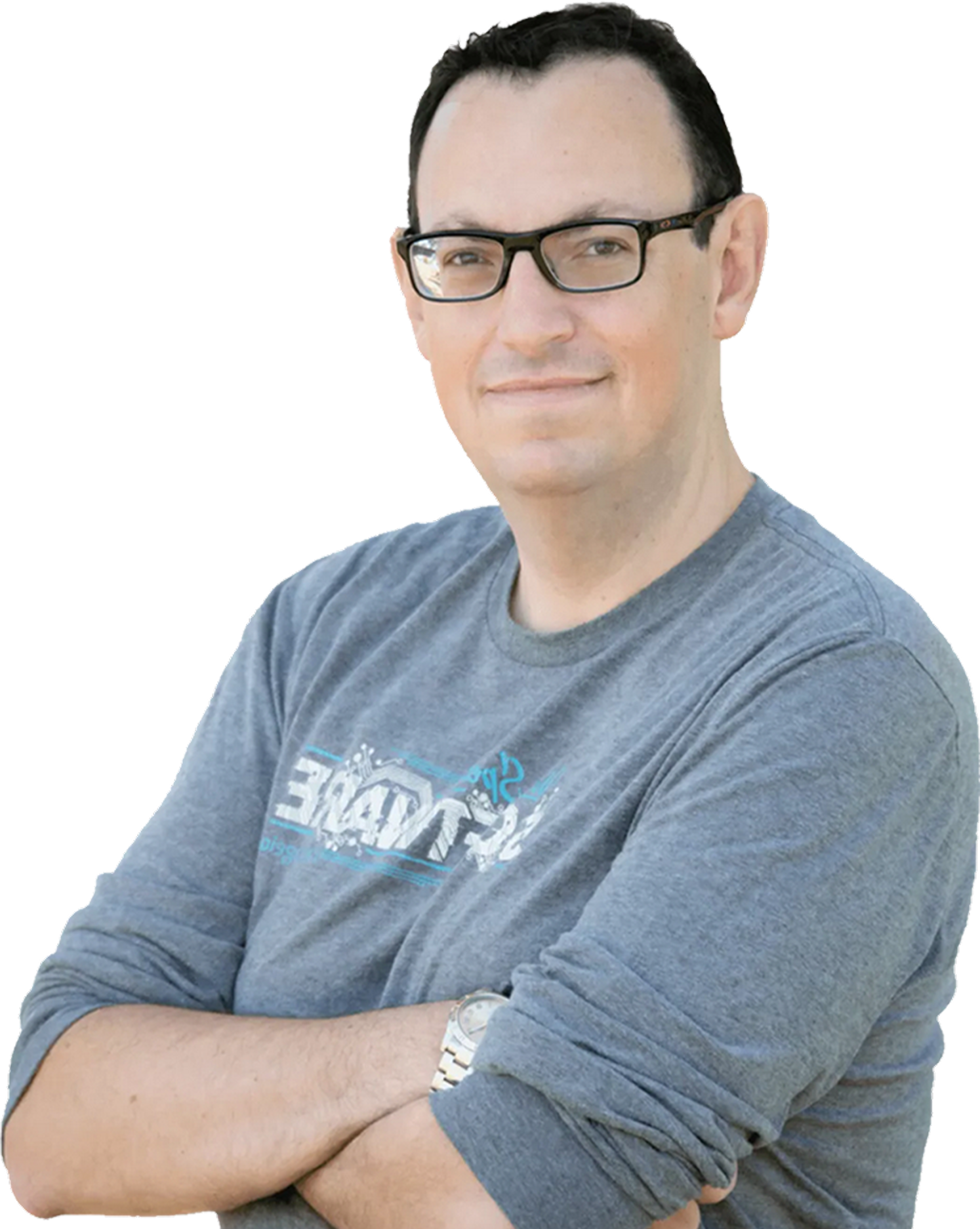
Strategy through production.
- Identify the highest-value transformation opportunities
- Design the workflows, architecture, and AI approach
- Build and deploy the production solution
Trusted by healthcare organizations building the next generation of care.
57 healthcare implementations









The problem
Why transformation projects fail.
The technology is rarely the hardest part. AI and modernization initiatives fail when workflows, systems, data, and operating rules are not redesigned around them.
-
Problem 01
AI gets added to the existing workflow.
A new assistant or automation is layered onto the same manual process, so the technology changes but the operation does not.
What changes
The workflow is redesigned around what people and AI each do best.
-
Problem 02
Systems and data are fragmented.
Critical information lives across healthcare platforms, SaaS systems, databases, documents, and spreadsheets that were never designed to work together.
What changes
AI and people work from connected, reliable information.
-
Problem 03
Operational knowledge lives inside people.
Rules, judgment, exceptions, and institutional knowledge sit inside experienced employees instead of systems that can apply them consistently.
What changes
Your operating knowledge becomes usable by people, software, and AI.
The process
How transformation happens.
Every engagement starts by identifying the highest-value opportunity. From there, we design, implement, measure, and scale.
- 01
Operations Review
We understand what you are trying to change, where the friction is, and where AI or technology may create meaningful leverage.
A clear place to start.
- 02
Transformation Roadmap
We map the workflows, systems, data, and opportunities, then prioritize initiatives by business value and feasibility.
A transformation plan tied to measurable outcomes.
- 03
Implement the highest-impact initiatives
We deploy AI, build agents, implement RAG, integrate systems, redesign workflows, or engineer the missing software.
Production systems solving real operational problems.
- 04
Optimize and scale
We measure adoption and business impact, improve what works, and expand successful initiatives across the organization.
Transformation that continues beyond launch.
What healthcare leaders say.
-
Sam and his team move fast, communicate clearly, and bring strong technical judgment to complex healthcare AI work.
 Rafael Russ, CEO FunctionalMind
 -
A unique combination of skills and an amazing team. Throughout the project, they never missed a deadline.
 Andrew Carricarte, CEO Olé Life
 -
Sam and his team were thoughtful, responsive, and easy to work with. They brought clarity and execution when it mattered.
 Evan Haruta Dysolve
 -
Sam and his team built our data warehouse the right way, clean, scalable, and exactly what we needed.
 Carlos Edery, CEO Luxury Cruise Connection
Results
Transformation in practice.
Every organization started with a different challenge. Every engagement produced measurable operational results.




Case 01 · FunctionalMind
In production

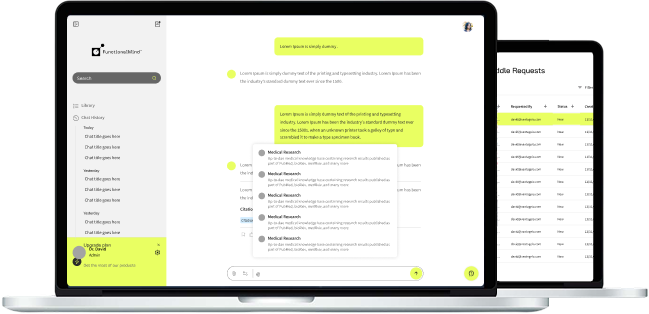
Three hours of research, down to five minutes.
The bottleneck
Hours of research and hand-retyped lab PDFs before any clinical call could be made.
The business impact
Hours back on every patient, and hundreds of clinicians run on it today.
Engineering delivered
- 3.5 hrs → 5 min
- Research time per patient
- PDF → structured
- Lab results, no retyping
- 220M → 7.2M
- Papers screened, ranked, and indexed
Case 02 · Olé Life
Four years in

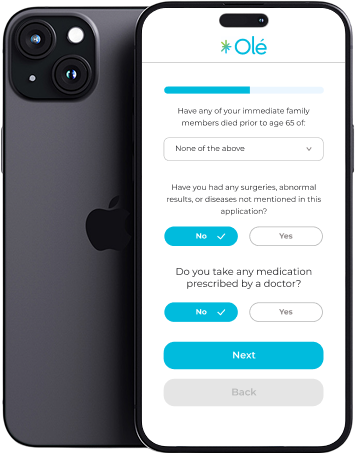
Four platforms became one, and stayed one.
The bottleneck
Quoting, policies and member data lived in four systems, and staff carried information between them by hand.
The business impact
One bilingual system across web and mobile, carrying thousands of agents four years on.
Engineering delivered
- 4 yrs
- Still going
- 1000s
- Agents on one system
Case 03 · SeaCare Crew Health
Built from zero
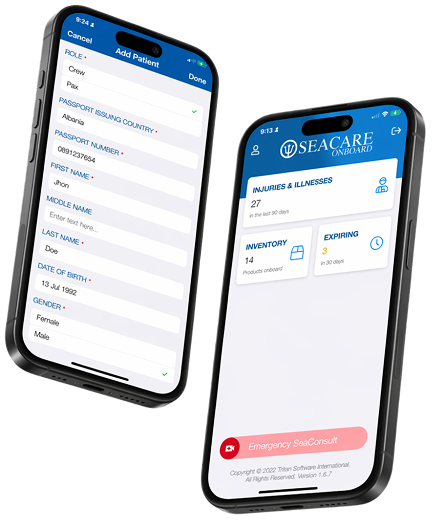
One record for every crew case at sea.
The bottleneck
Crew health cases ran with no single record and no doctor available on demand.
The business impact
One record for every case, with live video straight to a doctor on shore.
Engineering delivered
- Live video
- Straight to a doctor on shore
- 0 to 1
- From nothing to running
Case 04 · Stealth healthcare startup
Anonymized
Anonymized, no logo
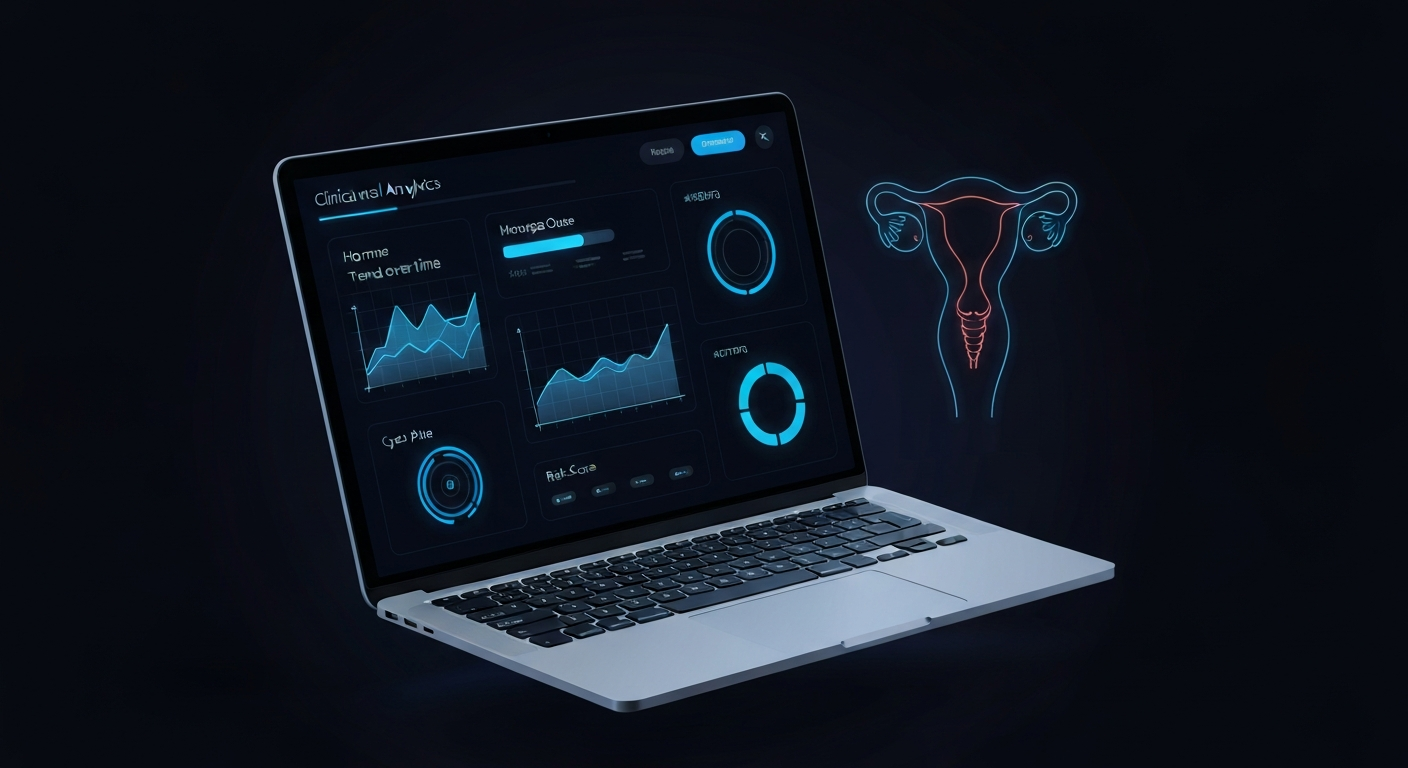
From first version to real patients, in one pass.
The bottleneck
A women’s health product with growth ahead of it and a foundation that would not carry the load.
The business impact
Rebuilt to carry real volume, with patient data handled correctly before the first real patient arrived.
Engineering delivered
- First to live
- Rebuilt to carry real volume
- HIPAA
- Patient data work we drove
Capabilities
How we transform operations.
Whether the initiative is AI, automation, integration, better reporting, or modernization, we combine engineering, data, and workflow design around the objective.
AI Implementation & Assistants
Put AI into production where it improves real workflows, decisions, and operational capacity.
Used when AI needs to move from a promising demo into daily operational work.
- Where it shows up
- AI assistants · Internal copilots · Document intelligence · Decision support · Model integration · Human-in-the-loop AI
- Typical outcomes
-
- AI working inside the real operation
- A person accountable for every output
- Commonly used
- Anthropic · OpenAI · Retrieval over indexed sources
AI Agents & Workflow Automation
Design agentic workflows where AI reasons, uses tools, and completes multi-step work across systems.
Used when a process runs on handoffs and steps that today only a person can carry end to end.
- Where it shows up
- Agentic design · Agent orchestration · Tool use · Human approvals · Multi-step automation · Process redesign
- Typical outcomes
-
- Multi-step work completed without a person carrying it
- Approval points where judgment matters
Evidence Retrieval & RAG
Turn fragmented knowledge, documents, and data into grounded answers people and AI can trust.
Used when the knowledge exists but nobody can retrieve a trustworthy answer from it fast enough.
- Where it shows up
- Healthcare RAG · Evidence retrieval · Semantic search · Knowledge bases · Citation grounding · Clinical literature · Enterprise knowledge
- Typical outcomes
-
- Answers grounded in your own sources
- Every claim traceable to where it came from
Systems Integration, Data & Analytics
Connect your systems, build the data pipelines, and deliver the reporting people and AI rely on.
Used when information is split across systems that do not talk, and reporting means assembling it by hand.
- Where it shows up
- FHIR · EHR integrations · SaaS APIs · Data pipelines · Warehouses · Operational reporting · AI analytics
- Typical outcomes
-
- One source of truth
- Reporting nobody has to assemble by hand
- Commonly used
- Epic · Cerner · Healthie · Cerbo · Quest · Labcorp · Stripe
AI Governance & Security
Deploy AI with the oversight, security, and auditability healthcare requires, so adoption can scale.
Used when AI adoption needs to scale and every stakeholder has to trust what it touches.
- Where it shows up
- AI governance · Responsible automation · HIPAA · PHI handling · Security hardening · Human oversight · Auditability · Model evaluation
- Typical outcomes
-
- AI adoption that scales safely
- Evidence you can put in front of a buyer or a board
Custom Software & MVP Engineering
Build the MVP, internal tools, or missing software when existing products cannot deliver the outcome.
Used when the workflow you need does not exist in anything you can buy.
- Where it shows up
- MVP development · Custom applications · Internal tools · Workflow redesign · Platform engineering · Cloud infrastructure · Operational software
- Typical outcomes
-
- The missing piece, built to carry production volume
- Commonly used
- AWS · Google Cloud · Azure
Modernization
Modernize without replacing everything.
We build on the systems, data, workflows, and teams already running the organization, then add the AI and engineering required for the next stage.
What already runs the organization
- People
- Workflows
- Core systems
- Data
- Existing AI
- Partners & vendors
What we add
One operational layer
- AI assistants & agents
- Integrations
- RAG & data
- Custom engineering

Technology
Technologies we work with.
Healthcare platforms, AI models, cloud infrastructure, data systems, and APIs used to bring transformation initiatives into production.
Healthcare Systems



 Apple HealthKit
  Google Fit
 Labs & Health Data




Practice & Patient Systems


AI Models & Platforms
Cloud & Infrastructure
By the numbers
25
Years building inside healthcare
57
Healthcare implementations
HIPAA + GDPR
Patient data handled correctly from day one
Partners
Official partner of the clouds healthcare runs on.
Vantage IO is a Microsoft partner and an AWS partner. Healthcare platforms we build ship on Azure and AWS with the backing of both programs.



Ready when you are
Ready to modernize how your organization operates?
Whether you are evaluating AI, building agents, modernizing workflows, connecting fragmented systems, or implementing RAG, we will help you identify the highest-impact place to start.
- Find the highest-value opportunity
- Understand what implementation requires
- Leave with a clear next step
30 minutes. Free. No pitch.
Resources
Resources for healthcare transformation.
Practical thinking on AI implementation, agentic systems, RAG, responsible automation, workflow transformation, and healthcare engineering.
The Model Was Never the Hard Part
Three studies dropped this spring. Three angles, one story. The model stopped being the hard part. Everything around it is the whole game now.
Read itTwo Weeks, One Map, and the Deal That Almost Didn't Happen
A founder with the biggest hospital deal of his life on the table and no way to answer the security questions. Two weeks of mapping later, the deal closed, and the one genuinely dangerous gap got fixed before someone else found it.
Read itThe Eight Month Reality
The CEO asks how long it would take to replace the vendor system. Engineering says three months. Product says six. The CTO stays quiet. If you've never built production RAG for high-stakes domains, you think that range is reasonable. It isn't.
Read it